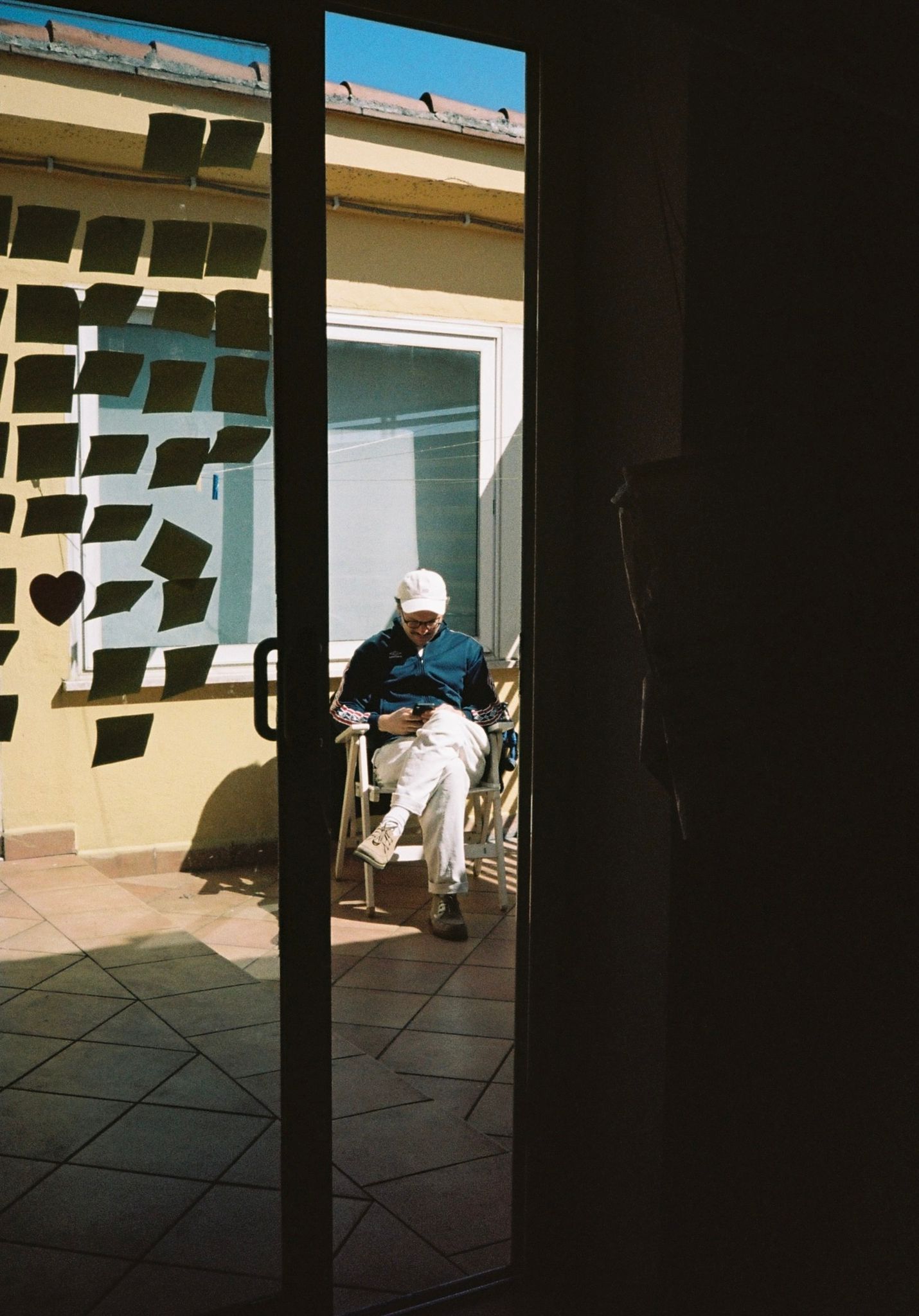
For about a decade, I had this assumption that the people around me weren't interesting enough for movies. Not in a dismissive way toward them... more like a form of self-deprecation, I guess. My own life and circle felt too ordinary, too unremarkable, and I had this idea that real storytelling required reaching beyond all of that to find something actually worthy of the screen.
Anyway, I was completely wrong about this. Turns out everyone around me is fucked up in their own specific, fascinating ways. I just wasn't paying attention.
What changed
The shift happened when I started writing short stories for fun. Mostly satirical stuff, making fun of people I knew. And something weird occurred in the process: what I thought was mockery turned out to be... description, actually. I was trying to exaggerate these people, to push them into caricature, but what I was actually doing was just observing. Accurately. Which wasn't really the goal, but here we are.
That's when I understood how powerful this could be. Writing became suddenly easier, not because I'd gotten better at inventing things, but because I'd stopped inventing altogether.
What I thought was mockery turned out to be description.
Why basing characters on actors doesn't really work
There's this common advice about imagining an actor playing your character, or writing with the voice of a fictional character you love. I tried that for years. Never quite worked, or at least not deeply enough to matter.
I used to think that "voice" was primarily about language. Surface-level stuff, you know, like the particular way someone phrases things or their verbal tics. But it's actually much deeper than that... it's everything behind the words. The whole psychological architecture that determines what a person would say in any given situation. Hard to explain, but you feel it when it's missing.
The problem with fictional characters (even the ones you know intimately) is that you don't actually know them well enough. Take Nate Fisher from Six Feet Under. Probably one of the fictional people I know best in the world after watching every episode multiple times. But when I try to write based on him, what do I actually have to work with? Something like "good family man, upright, a bit tortured, tries to do the right thing." And that's... basically it. That's caricature, not character.
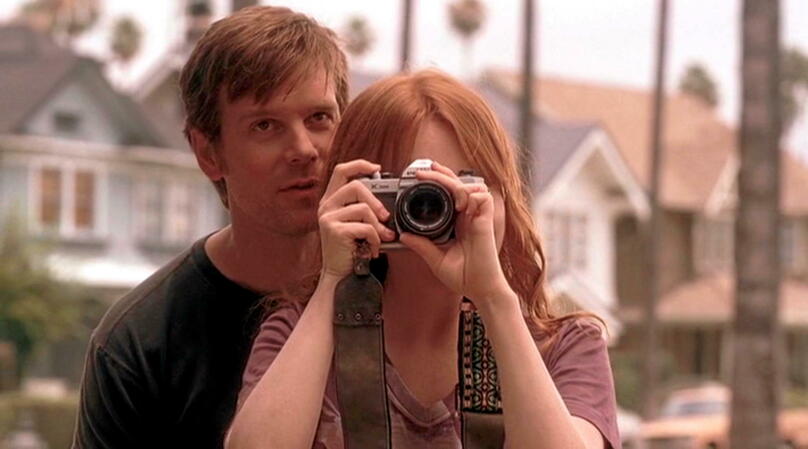
Fiction never goes deep enough because you're working from a surface impression of someone who was already invented by someone else. A copy of a copy. A photo of a photo. Real people, on the other hand, you know the stuff that never made it to any screen. The contradictions that wouldn't fit neatly into a character arc. The weird specific details that no writer would think to invent because they're too particular, too strange, too real.
A copy of a copy. A photo of a photo.
The thing about not mixing people together
There's this other common advice about creating composite characters. Taking a bit of your uncle, mixing in some of your neighbor, adding that guy from college. And I've come to believe it's actually a mistake, or at least it has been for me.
Real people already contain contradictions, and those contradictions are precisely what makes them interesting. You think of an IT guy and you expect the geek stereotype, but the one you actually know is obsessed with football, and that tension, that unexpected combination, is already built into who they are. You didn't have to invent it. It's just there.
When you mix people together, you lose that internal coherence. The result ends up feeling less real, not more. Because the contradictions in a real person make sense... life made them make sense over years and decades of experience and circumstance. A composite character's contradictions are just random assemblages that don't have that underlying logic. They don't hold together the same way.
So I developed this rule: one character, one real person. No blending, no mixing, no combining traits from different sources. The invention gets saved for the plot.
How people always return to their obsessions
One of the most useful observations I've made about real people is that they're incredibly predictable. In the best possible way for a writer, I mean.
You go see your racist uncle and talk about literally anything. The weather, what you had for dinner, a movie you saw recently. And somehow, inevitably, the conversation circles back to immigration. Every single time. Without fail. It's almost impressive.
Your cousin who's really into essential oils operates the same way. You mention your kid's problems at school and suddenly the conversation has shifted to lavender and emotional regulation and the pharmaceutical industry and whatever else connects back to her central preoccupation.
This isn't fiction. This is just how life actually works. And it's kind of hilarious when you start noticing it. When you base a character on someone you know well, you always know what they'd say because real people are, in a sense, caricatures of themselves. They have their obsessions, their recurring patterns, their particular ways of filtering every experience through their worldview. You don't have to invent any of that.
When the answer becomes obvious
I was working on this short story (which might eventually become a play, we'll see) and there's a moment where a mother leaves her family and writes a letter to her daughters. Normally this kind of scene would paralyze me. What should the letter say, what tone should it strike, which details to include, which to leave out. I'd typically spend hours second-guessing every word. Just going in circles.
But I'd based this character on a real person I know. So instead of asking myself "what would be the best letter for this scene," I asked a different question: "what would SHE write?"
And suddenly it was obvious.
The letter would be sentimental on the surface, ostensibly about her daughters and her love for them, but actually entirely about herself. Fake generosity masking total self-absorption. Making herself the hero of her own departure, even in the moment of abandoning her family. That's just... who she is.
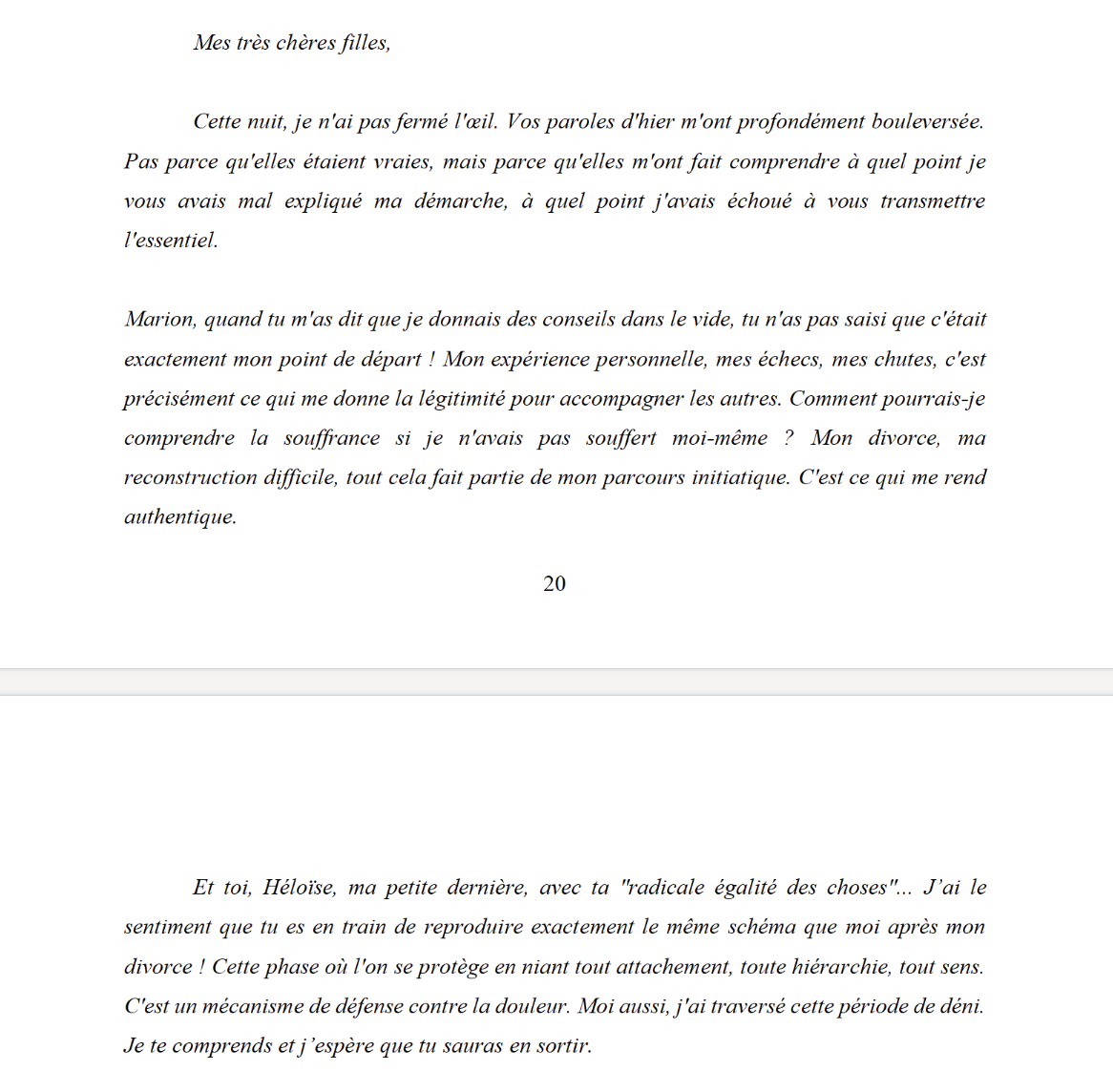
I wrote the whole thing rapidly, no hesitation. And it ended up being the emotional climax of the entire piece.
That's the thing I couldn't have gotten any other way. I genuinely couldn't have invented that. The paradox of a goodbye letter that's secretly selfish is too specific, too weird, too human to just make up. But it came instantly because I wasn't inventing anything. I was simply asking what a real person would do, and because I knew that person well enough, the answer was already there.
The invention gets saved for the plot, where it actually belongs.
Where this leaves me now
None of this replaces the actual craft of writing. You still need to structure a story properly, write scenes that function, handle all the technical elements that make narrative work. Obviously.
But for dialogue specifically, for voice, for those moments where a character needs to feel genuinely alive on the page... the approach that's made the biggest difference is simply to stop inventing and start copying real life. There are probably fifty people I know well enough to use this way, each with their own speech patterns and obsessions and particular ways of being annoying or endearing or both simultaneously. They're already more complex and contradictory and interesting than anything I could fabricate from scratch. Because life spent years making them that way.
The invention gets saved for the plot, where it actually belongs.